
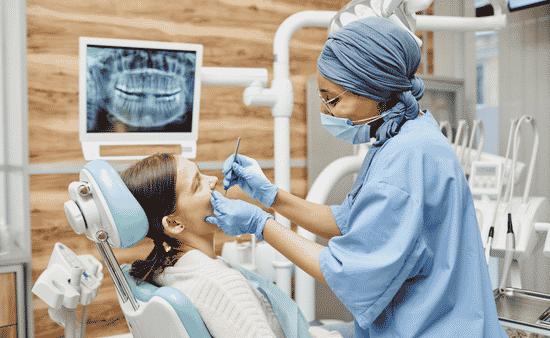
Oral surgery may sound serious, but in many cases, it is an important part of protecting long-term dental health. While regular dental cleanings, fillings, and preventive care can handle many common concerns, some conditions need more advanced treatment. Oral surgery can help remove infection, repair damage, restore function, and prevent bigger problems from developing. For patients searching for an oral surgeon in Salt Lake City, it helps to understand when oral surgery may be recommended and why it can be necessary.
Oral surgery is not only for emergencies. It can also be used to improve comfort, support better chewing, protect surrounding teeth, and prepare the mouth for future dental work. Many patients may need oral surgery for reasons such as impacted wisdom teeth, severe tooth damage, missing teeth, jaw problems, or infection. Knowing the signs can help patients feel more prepared and confident when discussing treatment options with a dental professional.
When Wisdom Teeth Cause Problems

Wisdom teeth are one of the most common reasons patients need oral surgery. These third molars usually come in during the late teen years or early adulthood. For some people, wisdom teeth grow normally and do not cause issues. For others, there may not be enough room in the mouth for them to come in properly. When wisdom teeth become impacted, they may stay trapped under the gums or grow at an angle.
This can lead to pain, swelling, infection, pressure, or damage to nearby teeth. In some cases, wisdom teeth can also be difficult to clean, which may increase the risk of cavities or gum problems. Oral surgery may be recommended to remove wisdom teeth before they create more serious dental concerns. Removing them at the right time can help protect the rest of the mouth and reduce future discomfort.
When a Tooth Is Severely Damaged
Sometimes a tooth becomes too damaged to repair with a filling, crown, or other standard dental treatment. This may happen because of deep decay, a large fracture, trauma, or infection. When a tooth can no longer be saved, oral surgery may be needed to remove it safely. Tooth extraction is not always the first choice, but it may be necessary when keeping the tooth could harm nearby teeth, gums, or bone.
A severely infected tooth can cause pain and may spread infection if it is not treated properly. After removing a damaged tooth, a dental professional may discuss replacement options. This can help restore chewing ability, protect bite alignment, and prevent surrounding teeth from shifting into the empty space.
When Dental Implants Are Needed
Oral surgery may also be part of replacing missing teeth with dental implants. Dental implants are placed into the jawbone to act like artificial tooth roots. Once healed, they can support crowns, bridges, or dentures. A patient may need dental implants after losing teeth from injury, decay, gum disease, or other dental issues. Missing teeth can affect more than appearance.
They can make chewing harder, change speech, and cause nearby teeth to move out of place. Implant placement requires careful planning because the jawbone needs enough strength and structure to support the implant. In some cases, additional procedures such as bone grafting may be needed before an implant can be placed. This helps create a stronger foundation for long-term results.
When Infection Affects the Mouth or Jaw

Dental infections should not be ignored. When infection spreads deep into the gums, bone, or surrounding tissue, oral surgery may be needed to remove the source of the problem. This can help relieve pain, prevent the infection from spreading, and protect overall oral health.
Signs of infection may include swelling, severe tooth pain, pus, fever, bad taste in the mouth, or tenderness in the jaw. Some infections can become serious if they are not treated quickly. Oral surgery can help clean the infected area, remove damaged tissue, or extract a tooth that cannot be saved. Early treatment is important because it can prevent more complex problems later.
When Jaw or Bite Problems Affect Daily Life
Some oral surgery procedures are needed when the jaw does not align properly. Jaw or bite problems can make it difficult to chew, speak, breathe, or open and close the mouth comfortably. These concerns may also lead to jaw pain, headaches, or uneven tooth wear. In more serious cases, corrective jaw surgery may be recommended.
This type of surgery can help improve jaw alignment, facial balance, and bite function. It is often planned carefully with dental and medical professionals to support both health and comfort. Not every bite problem requires surgery. However, when the jaw structure itself is causing functional issues, oral surgery may offer a stronger long-term solution.
Even after corrective treatment, maintaining preventive dental care habits remains essential. Regular dental checkups, daily brushing and flossing, and addressing minor concerns early can help prevent more serious problems in the future. Preventive Dental Care Habits That Help You Save Money and Protect Your Smile by reducing the need for costly restorative procedures and supporting long-term oral health.
When Bone Loss Needs Treatment
Bone loss in the jaw can happen after tooth loss, gum disease, or long-term dental problems. When there is not enough healthy bone, it may affect the ability to place dental implants or support the natural shape of the face and mouth. Bone grafting is a common oral surgery procedure used to rebuild or strengthen areas of the jawbone.
This may be recommended before dental implants or after tooth extraction to help preserve bone structure. Healthy bones are important for long-term dental stability. Treating bone loss early can help protect future treatment options and support better oral function.
When Facial or Dental Trauma Occurs

Accidents, sports injuries, falls, or other trauma can damage teeth, gums, jaws, or facial bones. Oral surgery may be needed to repair injuries, remove broken teeth, treat fractures, or restore proper function. Dental trauma can be painful and stressful, especially when it affects appearance or chewing ability.
Fast evaluation is important because some injuries become harder to treat if care is delayed. Oral surgery can help repair damage and support healing. It can also reduce the risk of infection or long-term complications after an injury.
When Growths, Cysts, or Unusual Changes Appear
Unusual lumps, cysts, sores, or tissue changes in the mouth should always be checked by a dental professional. Some growths may be harmless, but others may need further evaluation or removal. Oral surgery may be used to biopsy or remove suspicious tissue.
A biopsy can help determine what the tissue is and whether additional treatment is needed. Early diagnosis is important for oral health. Paying attention to changes in the mouth can help patients get the right care before a condition becomes more serious.
Conclusion
Oral surgery may be needed when a dental issue goes beyond routine care. Problems such as impacted wisdom teeth, severe tooth damage, missing teeth, infection, jaw concerns, bone loss, trauma, or unusual tissue changes may require advanced treatment.
For patients looking for an oral surgeon, understanding these common reasons can make the process feel less overwhelming. Oral surgery can help relieve pain, protect healthy teeth, restore function, and support long-term dental wellness.