

Dental checkups are an essential part of growing up, yet many children view them with apprehension. It is completely natural for a child to feel nervous about the unknown, but as a parent, you have an incredible amount of influence over how your child perceives health appointments. By approaching the topic with the right strategies, you can transform a potentially scary event into a routine, even enjoyable, milestone.
Understanding Why Children Get Anxious
To address your child’s fears effectively, it helps to understand where they come from. Children often experience anxiety because a dental office is a highly sensory environment. The bright overhead lights, the unfamiliar sounds of instruments, and the requirement to sit still while someone examines their mouth can feel overwhelming.
Additionally, kids easily absorb the energy around them. If a parent feels anxious about dental work, children can quickly pick up on those subtle cues. Recognizing these factors allows you to validate their feelings while gently guiding them toward comfort.
Choosing Your Words Carefully

The language you use when discussing an upcoming appointment can make all the difference. Keep your explanations simple, accurate, and completely positive. Describe the dentist as a friendly helper whose job is to keep teeth clean, shiny, and strong.
Avoid using negative or intimidating words such as pain, hurt, shot, or drill, even if you are trying to reassure them that those things will not happen. Instead, focus on comforting verbs like counting, brushing, and checking. If your child asks a difficult question, turn it into an opportunity to learn from the professional together during the visit.
Preparing at Home with Play
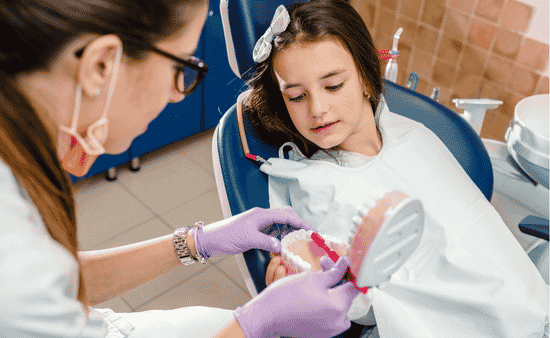
Familiarity breeds comfort. One of the best ways to normalize a dental visit is to bring the concept into your regular playtime routines. You can take turns role-playing as the patient and the provider. Use a toy toothbrush to count each other’s teeth while using a small flashlight to mimic the bright office lights.
Reading age-appropriate books or watching educational videos about friendly dental visits can also help. Seeing familiar animated characters navigate a checkup comfortably gives your child a visual roadmap of what to expect, removing the fear of the unfamiliar.
Finding the Right Support
The environment you choose for your child’s oral healthcare is just as vital as your preparation at home. Pediatric dental spaces are uniquely designed to accommodate the physical and emotional needs of growing kids. From child-sized equipment to bright, welcoming décor, these environments focus heavily on reducing anxiety and promoting engagement.
They also reinforce preventive dental care habits by encouraging regular checkups, early cavity prevention, fluoride use when appropriate, and consistent brushing and flossing routines. A child-friendly setting helps children develop positive associations with dental visits, making it easier for families to maintain healthy oral care habits that support strong teeth and gums throughout childhood.
If you are looking to establish a positive, lifelong dental relationship, finding a specialized children’s dentist in Oregon City can provide the tailored, gentle support your family needs to build a solid foundation.
Making the Day of the Visit Easier
When the day of the appointment arrives, minor logistical details can keep stress levels low. Schedule the visit at a time when your child is typically at their best, such as early in the morning after a good night of sleep. Avoid times that conflict with naps or meals, as fatigue and hunger can quickly drain a child’s emotional resilience.
You are also encouraged to bring along a favorite comfort item, such as a stuffed animal or a small blanket. Having a familiar object to hold provides an immediate sense of security in a new environment.
Focusing on Long-Term Health
Beyond the immediate appointment, talking about oral hygiene should be an ongoing, positive conversation in your household. Frame teeth brushing and flossing as exciting ways to care for the body rather than as tedious daily chores.
Progress should be celebrated, so consider acknowledging successful checkups with verbal praise or a fun family activity at the park rather than with sugary treats. By connecting routine care to overall well-being, you help your child build a healthy self-image and a sense of pride in their smile.
Conclusion
Helping your child develop a positive relationship with dental care is a gift that lasts a lifetime. With thoughtful communication, playful preparation, and the right professional team, you can completely redefine how your family approaches the dental chair. By staying calm, patient, and supportive, you give your child the confidence to step into their appointments with a happy, relaxed smile.