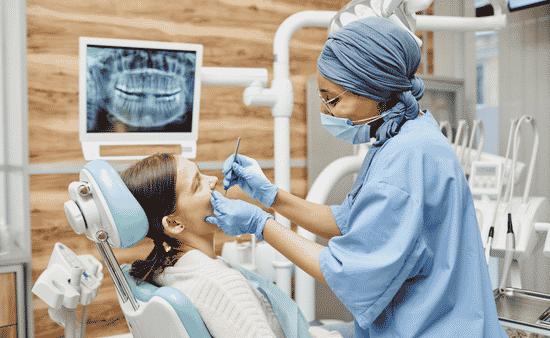

Good oral health is not only about maintaining an attractive smile—it is also one of the smartest financial decisions you can make. Preventive dental care minimizes the likelihood of developing serious dental conditions that require expensive treatments. By adopting consistent daily habits and scheduling regular professional care, you can preserve your teeth, avoid unnecessary procedures, and enjoy long-term savings while maintaining excellent oral health.
Brush Properly Every Day
Brushing your teeth twice each day is the foundation of preventive dental care. However, proper technique matters just as much as frequency. Using gentle circular motions, brushing for at least two minutes, and cleaning every tooth surface helps remove plaque before it hardens into tartar.
Many people brush too aggressively, believing it provides a deeper clean. In reality, excessive force can wear away enamel and irritate the gums, eventually leading to sensitivity and gum recession. Choosing a soft-bristled toothbrush and replacing it every few months helps maintain effective cleaning without damaging your teeth.
Consistency is equally important. Skipping brushing allows bacteria to multiply, increasing the risk of cavities, gum disease, and bad breath. These preventable issues often require fillings, deep cleanings, or more extensive restorative procedures that can significantly increase dental expenses.
Make Flossing Part of Your Daily Routine

Brushing alone cannot clean every surface of your teeth. Food particles and plaque often remain between teeth where toothbrush bristles cannot reach. Daily flossing removes these deposits before they cause decay or inflammation.
Prevent Gum Disease Before It Starts
Healthy gums provide the foundation for strong teeth. When plaque accumulates along the gumline, it can trigger inflammation that progresses into periodontal disease if left untreated. Early gum disease is usually reversible with consistent home care, but advanced cases often require specialized treatment that is considerably more expensive.
Daily flossing only takes a few minutes but can help preserve your gum health for decades.
Reduce the Need for Costly Restorations
Tooth decay frequently begins in areas that are difficult to clean. Removing debris between teeth decreases the likelihood of cavities forming, which may go unnoticed until they require fillings, crowns, or root canal therapy.
Making flossing a non-negotiable part of your routine is a simple habit that pays long-term financial dividends.
Visit Your Dental Professional Regularly
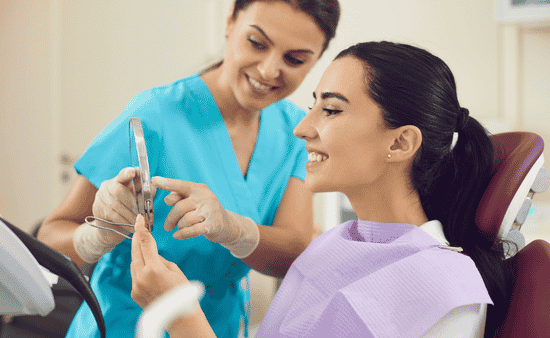
Routine dental examinations are one of the most valuable investments in preventive care. Professional evaluations allow small problems to be identified before they become painful or costly.
Professional cleanings remove hardened tartar that cannot be eliminated through brushing and flossing alone. This reduces the risk of cavities and gum disease while keeping your mouth healthier overall.
Routine appointments also allow dental professionals to monitor changes in your oral health. Small chips, worn fillings, or early signs of decay can often be treated with conservative procedures rather than complex restorative work.
If you’re considering improvements to both appearance and long-term oral health, consulting a cosmetic dentist in Lafayette may also help identify preventive solutions that support function while enhancing your smile.
Watch What You Eat and Drink
Your daily diet directly affects your oral health. Frequent consumption of sugary snacks and acidic beverages feeds harmful bacteria that produce acids capable of weakening tooth enamel.
Instead of constantly snacking throughout the day, try eating balanced meals and limiting sugary treats. Drinking water after meals helps rinse away food particles while encouraging saliva production, which naturally protects teeth.
Foods rich in calcium, phosphorus, and vitamins support stronger teeth and healthier gums. Dairy products, leafy vegetables, lean proteins, nuts, and crunchy vegetables contribute to better oral health while reducing the risk of decay.
Reducing sugary beverages is another effective strategy. Even drinks marketed as healthy may contain substantial amounts of sugar or acids that contribute to enamel erosion over time.
Protect Your Teeth from Everyday Damage

Preventive care extends beyond cleaning your teeth. Protecting them from unnecessary damage helps prevent expensive emergency treatments.
Wear Protective Equipment During Activities
Individuals who participate in sports or recreational activities should wear a properly fitted mouthguard. Even a single impact can result in chipped, cracked, or knocked-out teeth that require extensive dental care.
Nightguards may also benefit people who grind or clench their teeth while sleeping. Continuous grinding gradually wears down enamel and places excessive pressure on restorations and jaw joints.
Avoid Harmful Habits
Many people unknowingly use their teeth as tools to open packages, bite fingernails, or chew hard objects. These habits significantly increase the risk of fractures and chipped teeth.
Being mindful of how you use your teeth helps preserve their strength and reduces the chance of emergency dental visits.
Don’t Ignore Early Warning Signs
One of the costliest mistakes people make is delaying dental treatment. Minor discomfort may seem manageable initially, but dental problems rarely resolve on their own.
Sensitivity, bleeding gums, persistent bad breath, loose teeth, or discomfort while chewing should all be evaluated promptly. Addressing issues early often allows for simpler and less expensive treatment options.
Ignoring symptoms frequently leads to larger cavities, infections, or advanced gum disease that require significantly more complex procedures. Early intervention protects both your oral health and your budget.
Preventive awareness also includes performing occasional self-checks. Becoming familiar with the normal appearance of your teeth and gums makes it easier to notice changes that warrant professional attention.
Conclusion
Preventive dental care is one of the most effective ways to protect both your smile and your finances. Consistent brushing, daily flossing, healthy eating habits, routine dental visits, and early attention to potential problems all contribute to lasting oral health. Small daily efforts reduce the likelihood of major dental treatments, allowing you to enjoy a healthier smile while avoiding unnecessary expenses for years to come.