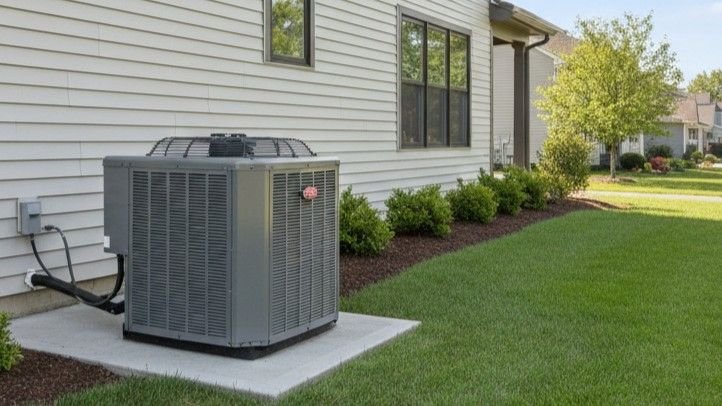
Your outdoor HVAC Units works tirelessly to keep your home comfortable, whether it’s the scorching heat of summer or the chill of winter. Neglecting its maintenance, however, can lead to reduced efficiency, higher energy bills, and costly repairs. With a few simple steps, you can ensure your outdoor unit operates at peak performance year-round.
1. Keep the Area Around the Unit Clear
One of the most common issues with outdoor HVAC units is restricted airflow. Leaves, weeds, and debris can accumulate around the unit, forcing it to work harder. Aim to keep at least two feet of clear space around the system. Trim back shrubs and ensure that the airflow isn’t blocked by fences, furniture, or garden tools. Regularly inspecting this area will help your unit breathe freely and maintain efficiency.
2. Clean the Coils and Fins
The condenser coils and fins of an outdoor unit play a critical role in heat exchange. Dirt, dust, and debris can build up over time, reducing efficiency. Turn off the power to the unit before cleaning. Use a soft brush or a garden hose with gentle pressure to remove dirt from the coils and straighten any bent fins. Avoid using high-pressure water, as it can damage delicate components. Clean coils mean better energy efficiency and improved cooling performance.
3. Inspect and Replace Filters
While filters are often associated with indoor air quality, they also impact the outdoor unit’s performance indirectly. Dirty or clogged filters force your HVAC system to work harder, placing extra stress on the outdoor components. Check filters every month during peak usage and replace them as needed. A clean filter ensures smooth airflow, protects the system, and keeps energy costs down.
4. Check the Refrigerant Level
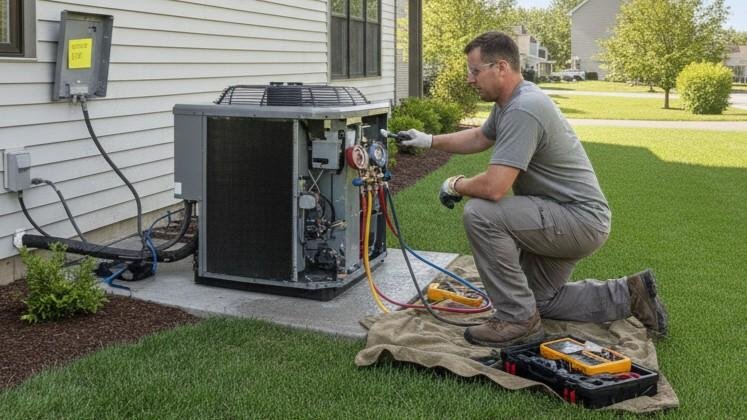
Proper refrigerant levels are essential for your HVAC unit’s efficiency. Low refrigerant can cause the system to overheat, freeze, or fail prematurely. Only a licensed technician should check and adjust refrigerant levels, as handling it incorrectly can be dangerous. Schedule regular inspections, and your system will maintain optimal cooling without unnecessary strain.
5. Tighten Electrical Connections
Electrical issues are another common cause of outdoor HVAC problems. Loose connections, corroded terminals, or worn wires can lead to system failures. Before the start of each cooling season, inspect the unit’s electrical components for visible signs of wear. If you notice frayed wires or loose connections, contact a professional technician. Proper electrical maintenance ensures your system runs safely and reliably.
6. Lubricate Moving Parts
Outdoor HVAC units have various moving components, including fans and motors. Over time, these parts can dry out, creating friction and reducing efficiency. Regularly lubricating bearings and fan motors (if your system allows it) will help prevent wear and tear. Check your unit’s manufacturer guidelines to use the correct type of lubricant and avoid damage.
7. Protect the Unit During Winter
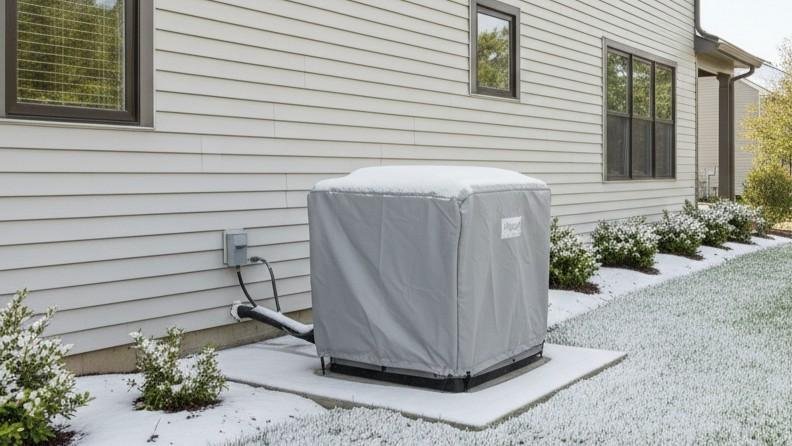
Winter weather can be harsh on outdoor HVAC units. Snow, ice, and falling debris can damage the system if left unprotected. Installing snow guards or a simple protective cover during the off-season can help shield the unit from ice and heavy snowfall. Just ensure the cover allows airflow when the system is in use to prevent moisture buildup and corrosion.
8. Schedule Professional Maintenance
Even with regular DIY upkeep, a professional tune-up is invaluable. HVAC technicians can inspect the unit more thoroughly, identify hidden issues, and perform preventive maintenance. Aim for at least one professional service annually—ideally before the peak summer or winter season. This proactive approach can extend the life of your system and keep energy costs under control.
Conclusion
Maintaining your outdoor HVAC unit doesn’t have to be complicated. By keeping the area clear, cleaning coils, checking filters, monitoring refrigerant, securing electrical connections, using durable industry materials, lubricating moving parts, and protecting it during winter, you ensure your system remains efficient and reliable. A little preventive care now can save significant costs and headaches later. Keep it cool, and your HVAC unit will keep your home comfortable year-round.