
Your home should be a safe haven for your family. But when entry points like doors and garages aren’t functioning properly, they can become security vulnerabilities that put everyone at risk. From malfunctioning locks to damaged weather seals, these issues often go unnoticed until it’s too late.
Understanding the most common entry problems helps you take proactive steps to protect your home. Here are six critical issues that could be compromising your family’s safety right now.
Broken or Worn-Out Locks
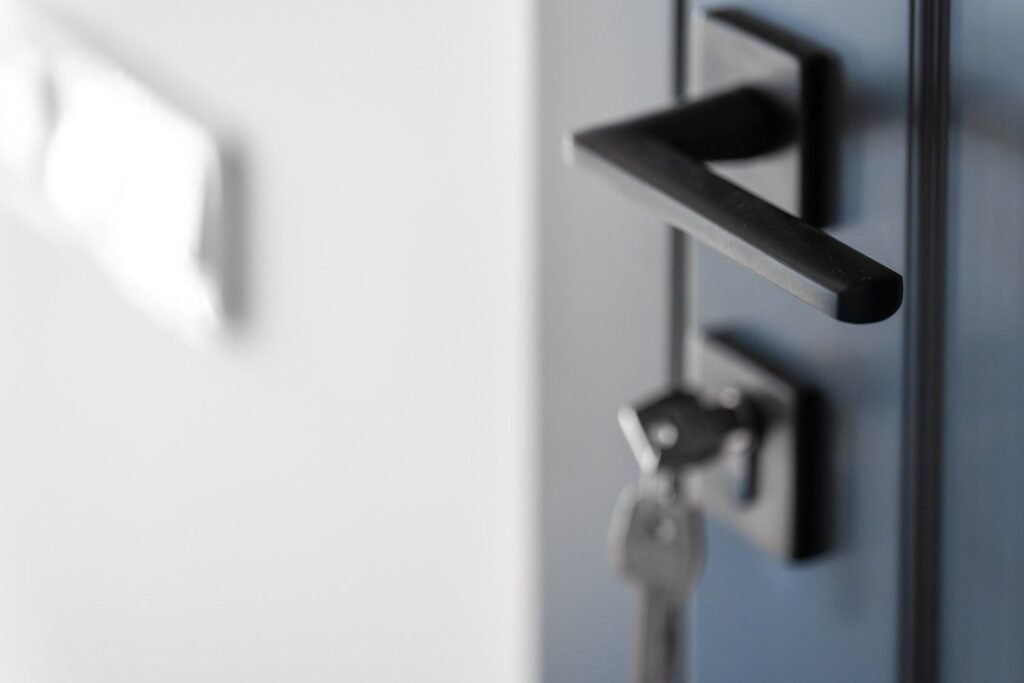
Locks are your first line of defense against intruders. When they start to show signs of wear, your home becomes an easy target. A lock that sticks, turns roughly, or feels loose is more than just an inconvenience—it’s a security risk.
Over time, internal components can deteriorate, making locks easier to pick or force open. Keys that no longer slide smoothly into the cylinder indicate internal damage that weakens the entire mechanism. If you’re jiggling your key to get it to work, that’s a clear warning sign.
Key strategies for protection include upgrading to deadbolts with hardened steel construction and anti-pick features. Smart locks also provide an extra layer of security by allowing you to monitor entry points remotely and receive alerts when someone accesses your home.
Faulty Garage Door Sensors
Modern garage doors come equipped with safety sensors designed to prevent them from closing on people, pets, or vehicles. When these sensors malfunction, the consequences can be serious. A door that closes unexpectedly can cause injury or trap someone inside.
Misaligned sensors are one of the most common problems. Dirt, debris, or accidental bumps can knock them out of position, causing the door to behave erratically. The indicator lights on your sensors should always be steady—if they’re blinking or off, there’s a problem that needs immediate attention.
Regular testing is simple: place an object in the door’s path and attempt to close it. The door should reverse immediately upon detecting the obstruction. If it doesn’t, professional garage door repair in Boise can diagnose and fix sensor issues before they lead to accidents.
Damaged Door Frames
A solid door means nothing if the frame around it is compromised. Cracks, rot, or loose mounting can make it easy for intruders to force their way in with minimal effort. Wood frames are particularly susceptible to weather damage and insect infestation.
Check the area around your door strikes—the metal plates where the lock bolt slides into the frame. If the wood here is soft, cracked, or pulling away, the entire locking system is weakened. Even a strong kick can splinter damaged wood and render your deadbolt useless.
Reinforcing door frames with metal strike plates secured by long screws (at least three inches) dramatically improves security. For frames with significant damage, replacement may be necessary to restore proper protection.
Inadequate Exterior Lighting
Darkness provides cover for potential intruders. Poorly lit entry points create blind spots that make it easier for someone to approach your home undetected. This includes not just your front door, but side entrances, back doors, and garage areas.
Motion-activated lights are particularly effective because they startle intruders while alerting you to movement around your property. Position lights to eliminate shadows where someone could hide, and ensure bulbs are bright enough to illuminate faces clearly.
Don’t forget about your garage entry. Many homeowners overlook this access point, but it’s often the most vulnerable. Adding lighting here, combined with keeping garage door openers out of plain sight, significantly reduces the risk of break-ins.
Weak or Missing Weather Stripping
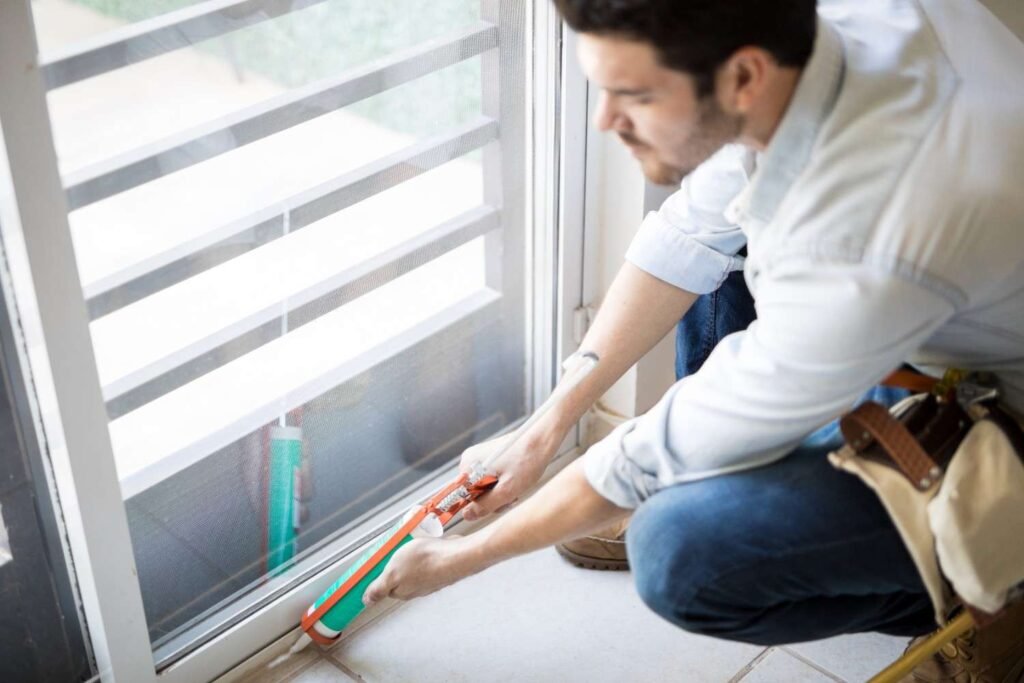
Weather stripping does more than improve energy efficiency—it also prevents tools from being slipped between doors and frames. When weather stripping deteriorates or goes missing, gaps appear that can be exploited by determined intruders using slim tools to manipulate locks from the outside.
These gaps also compromise your home’s security alarm system. Door sensors rely on proper contact between the door and frame. Missing weather stripping can cause false alarms or, worse, prevent sensors from detecting when a door has been opened.
Inspect weather stripping on all entry doors at least twice a year. Replace any sections that are compressed, cracked, or pulling away. This simple maintenance task strengthens both your energy efficiency and your security.
Malfunctioning Automatic Garage Doors
Automatic garage doors provide convenience, but they can also create serious safety hazards when they malfunction. A door that won’t close completely leaves your home vulnerable to intruders. One that opens randomly can allow unauthorized access when you’re away or asleep.
The emergency release mechanism, while essential for safety, can also be a security weakness. If your garage has windows, intruders can break the glass and use a coat hanger to pull the release cord, opening the door manually. Consider disabling the release or installing a shield that prevents this technique.
Springs under tension are another concern. When they break, they can cause the door to fall rapidly, potentially causing injury or property damage. Annual maintenance from a professional specializing in garage door repair in Boise ensures all mechanical components function safely and securely.
Protecting What Matters Most
Your family’s safety depends on the integrity of every entry point to your home. Regular inspections help you catch small problems before they become major security risks. Walk around your property monthly, testing locks, checking sensors, and examining frames for signs of damage.
Don’t wait for a problem to escalate. Address these six common issues promptly, and consider consulting with security and door professionals who can identify vulnerabilities you might miss. A few preventive measures now can protect your family for years to come.