
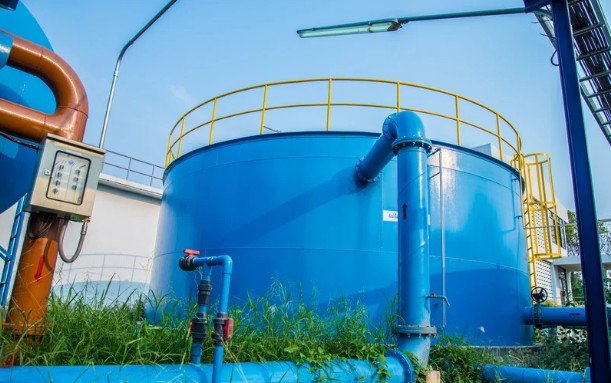
Water treatment is a critical process for ensuring the safety and quality of water used in residential, commercial, and industrial settings. In Queensland, the demand for efficient and effective water treatment solutions has grown due to the region’s unique environmental challenges and increasing urban development.
This article explores the key aspects of water treatment in Queensland, highlighting the latest technologies, benefits, and considerations for adopting optimal treatment systems.
The Importance of Water Treatment in Queensland
Queensland’s diverse climate and geography present unique water quality challenges. These challenges include varying water sources, such as surface water, groundwater, and recycled water, each requiring specific treatment methods. Effective water treatment ensures that water meets health standards for consumption, irrigation, and industrial use, thereby protecting public health and the environment.
Water treatment also plays a vital role in addressing issues such as contaminants, pathogens, chemical pollutants, and sediment. The presence of these substances can compromise water safety and damage infrastructure, making robust water treatment solutions essential for sustainable water management.
Common Water Contaminants Addressed by Treatment Processes
Water sources in Queensland can contain a range of contaminants depending on their origin and exposure to environmental factors. Typical contaminants include:
- Microbiological pathogens such as bacteria, viruses, and protozoa
- Suspended solids and turbidity particles
- Dissolved chemicals including heavy metals and pesticides
- Organic compounds and nutrients such as nitrogen and phosphorus
- Hardness minerals like calcium and magnesium
The purpose of water treatment is to systematically remove or neutralise these contaminants, producing safe and clear water suitable for its intended use, whether for everyday consumption or to install a new air conditioning system.
Water Treatment Processes Used in Queensland
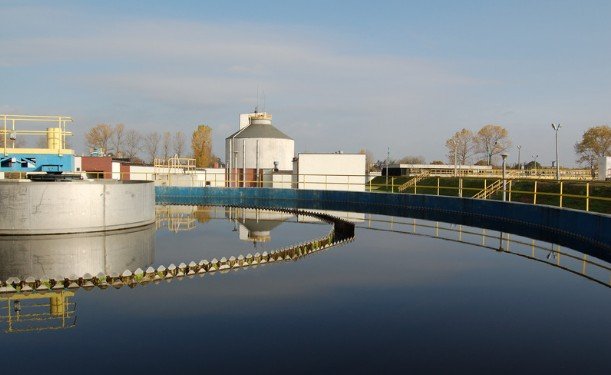
There are various water treatment techniques utilised in Queensland, often combined in multi-stage processes to achieve the desired water quality. Some common methods include:
Coagulation and Flocculation
These processes involve the addition of chemical coagulants that destabilise suspended particles, allowing them to clump together into larger flocs which can be more easily removed by sedimentation or filtration.
Filtration
Filtration systems in Queensland range from rapid sand filters to advanced membrane filtration including ultrafiltration and reverse osmosis. These filters physically remove suspended solids and some dissolved contaminants from water.
Disinfection
Disinfection is essential to eliminate microbiological pathogens from treated water. Common disinfectants include chlorine, chloramine, ozone, and ultraviolet (UV) light. Selection depends on factors such as water chemistry and regulatory requirements.
Softening and Ion Exchange
Water softening reduces hardness to prevent scaling in pipes and improve water suitability for domestic and industrial applications. Ion exchange systems replace calcium and magnesium ions with sodium or potassium ions to achieve this effect.
Advanced Treatment Technologies
Emerging technologies like activated carbon adsorption, advanced oxidation processes, and biological treatment methods are increasingly used to target specific contaminants such as organic chemicals and nutrients.
Industry-Specific Water Treatment Solutions
Queensland’s industries have diverse water treatment needs. In agriculture, water treatment focuses on producing irrigation water free from harmful pathogens and salts. In mining and manufacturing, treatment often aims to manage process water quality and meet discharge regulations. Municipal water supplies demand rigorous treatment to maintain public health standards.
Choosing the most appropriate water treatment solution requires an understanding of the water source, quality objectives, operational constraints, and budget.
The Role of Water Treatment Providers in Queensland
Professional water treatment providers in Queensland offer comprehensive services that include water analysis, system design, installation, and ongoing maintenance. Such providers ensure that water treatment systems comply with local and national standards while optimising operational efficiency.
One notable example of expertise can be found in companies specialising in water treatment Queensland. These companies assist clients across various sectors by providing tailored solutions that address specific water challenges while supporting sustainable water management practices.
Benefits of Effective Water Treatment Solutions
The implementation of reliable water treatment systems brings numerous benefits for Queensland communities and industries, including:
- Improved public health through the provision of safe drinking water
- Protection of aquatic ecosystems by reducing pollutant discharge
- Enhanced operational efficiency and lifespan of equipment in industrial processes
- Compliance with environmental and health regulatory requirements
- Conservation of water resources via reuse and recycling practices
Regulatory Framework Governing Water Treatment in Queensland
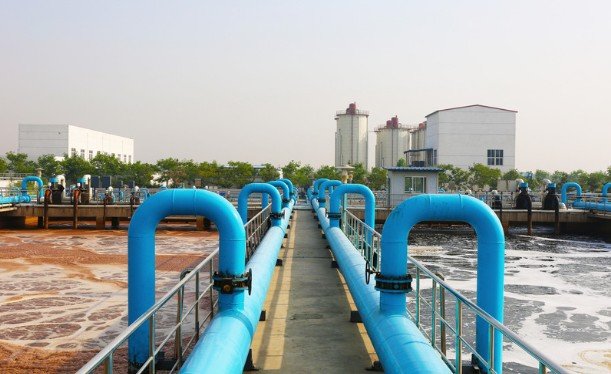
Water treatment in Queensland is governed by a series of regulations designed to ensure public safety and environmental protection. These regulations require water utilities and private operators to meet stringent water quality criteria and reporting obligations.
Adherence to these regulatory standards is critical to avoid legal penalties and maintain public trust. It also encourages the adoption of modern technological solutions and best practices in water treatment.
Challenges in Water Treatment Implementation
While water treatment technologies have advanced significantly, Queensland faces challenges including variable water quality due to climate fluctuations, the high cost of treatment infrastructure, and the need for skilled personnel.
Additionally, balancing the demands of population growth and industrial expansion with sustainable water use presents ongoing difficulties. Solutions involve increasing investment in infrastructure and innovation in treatment processes.
Future Trends in Water Treatment in Queensland
The future of water treatment in Queensland is likely to see the integration of smart technologies such as real-time water quality monitoring, automation, and data analytics. These advancements enable more efficient management of treatment processes and early detection of water quality issues.
There is also an increasing focus on sustainable water practices including the use of renewable energy to power treatment plants and the implementation of closed-loop water recycling systems to minimise water wastage.
Conclusion
Effective water treatment solutions are fundamental to safeguarding Queensland’s water resources and ensuring public health. By employing advanced treatment technologies, following regulatory requirements, and partnering with experienced water treatment providers, the state can address its water challenges comprehensively.
Given the complexity of water treatment needs in Queensland, stakeholders are encouraged to seek expert advice and invest in customised water treatment systems. This approach will support sustainable water management, protect the environment, and promote economic growth.