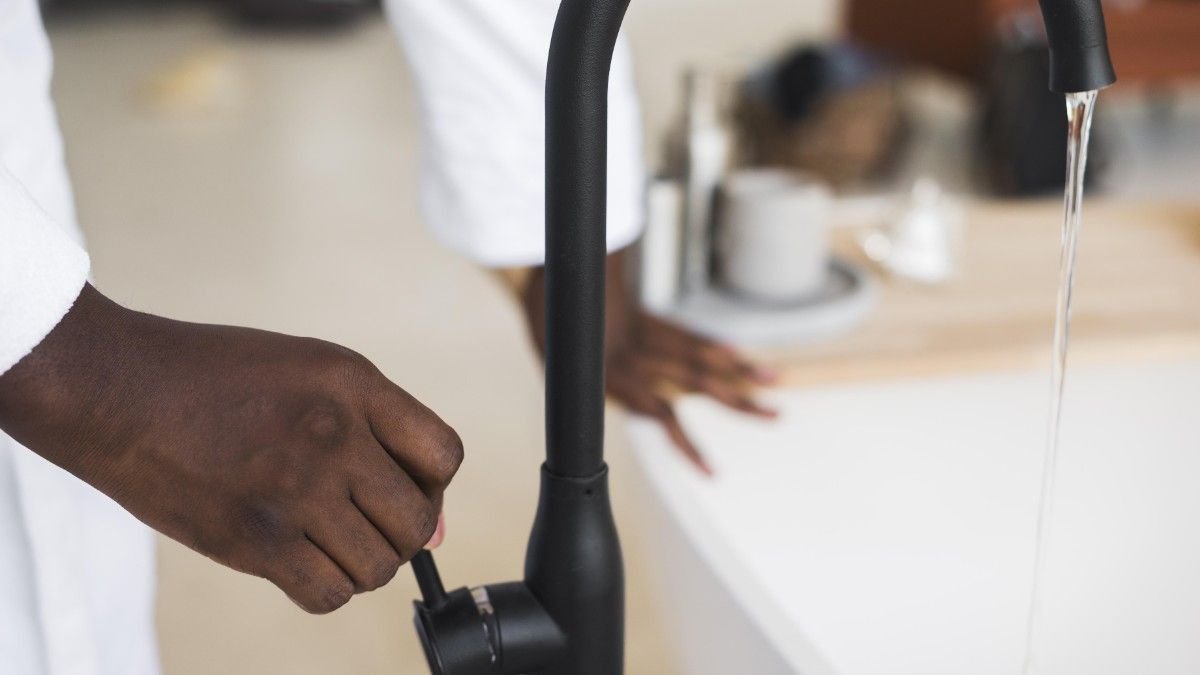
A sudden drop in water pressure can turn a refreshing shower into a frustrating trickle. This common household issue can be a minor annoyance or a symptom of a more significant plumbing problem. Understanding the potential causes is the first step toward restoring a strong, steady flow to your faucets and fixtures. This guide explores the most frequent reasons for low water pressure and offers practical solutions.
Understanding Your Home’s Plumbing System
Water reaches your home through one of two primary sources: a municipal water supply or a private well. If your home is connected to a city line, the water utility is responsible for the main lines leading to your property. If you have a well, you are responsible for the entire system that draws water from the ground. Identifying your water source is crucial for troubleshooting pressure issues effectively.
Municipal Water Supply Problems
Sometimes, the issue isn’t inside your home at all. A problem with the municipal water system can affect your entire neighborhood. Check with your neighbors to see if they are experiencing similar issues. If they are, the problem likely lies with the city’s water main. You can contact your local water department to report the issue and inquire about any ongoing maintenance or repairs in your area.
Common Culprits Inside Your Home
If your neighbors have normal water pressure, the problem is likely within your property’s plumbing system. Here are the most common internal causes to investigate.
Clogged Pipes and Fixtures
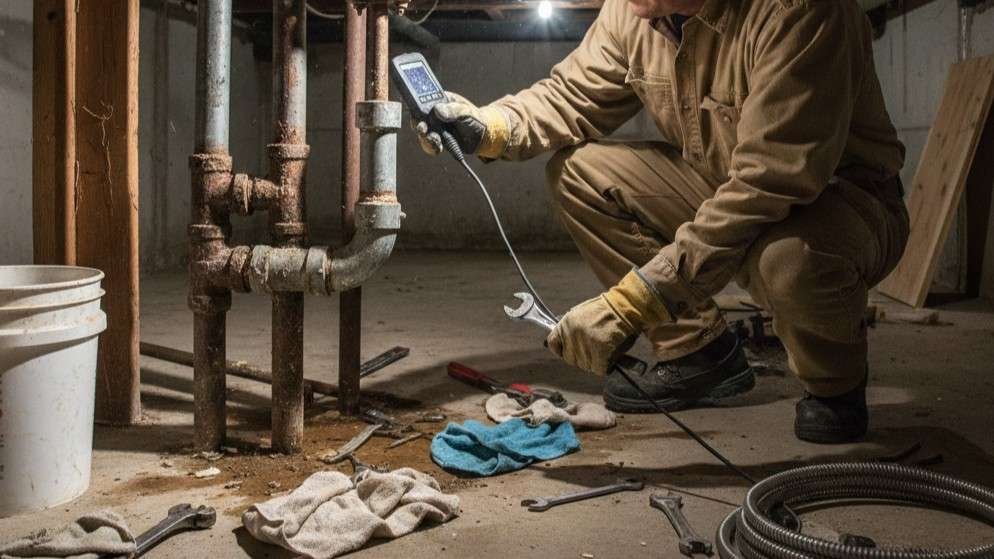
Over time, pipes can accumulate mineral deposits, rust, and debris. This buildup restricts water flow, leading to a gradual decrease in pressure. This is particularly common in older homes with galvanized steel pipes.
Solutions for Clogged Pipes
- Faucet Aerators and Showerheads: The simplest fix is to clean individual fixtures. Unscrew the aerator from your faucet or the head from your shower pipe and soak them in a descaling solution, like white vinegar, overnight. Use a small brush to scrub away any remaining debris before reattaching them.
- Pipe Cleaning: For more widespread clogs within the pipes themselves, you may need a professional plumber to perform a more thorough cleaning or to assess if pipe replacement is necessary.
Malfunctioning Pressure Regulator
Many homes have a water pressure regulator, a valve that reduces the high pressure from the municipal supply to a safe level for your home’s plumbing. These devices can fail over time, getting stuck in a partially closed position and restricting water flow.
How to Check Your Regulator
Pressure regulators are typically bell-shaped and located where the main water line enters your home, often near the main shut-off valve. If your regulator is failing, it usually needs to be replaced by a qualified plumber.
Partially Closed Water Valves
Your home has two important water valves: the main shut-off valve and the water meter valve. If either of these is not fully open, it will restrict the flow of water to your entire house. These valves can be accidentally turned during routine maintenance or by children playing.
Checking Your Valves
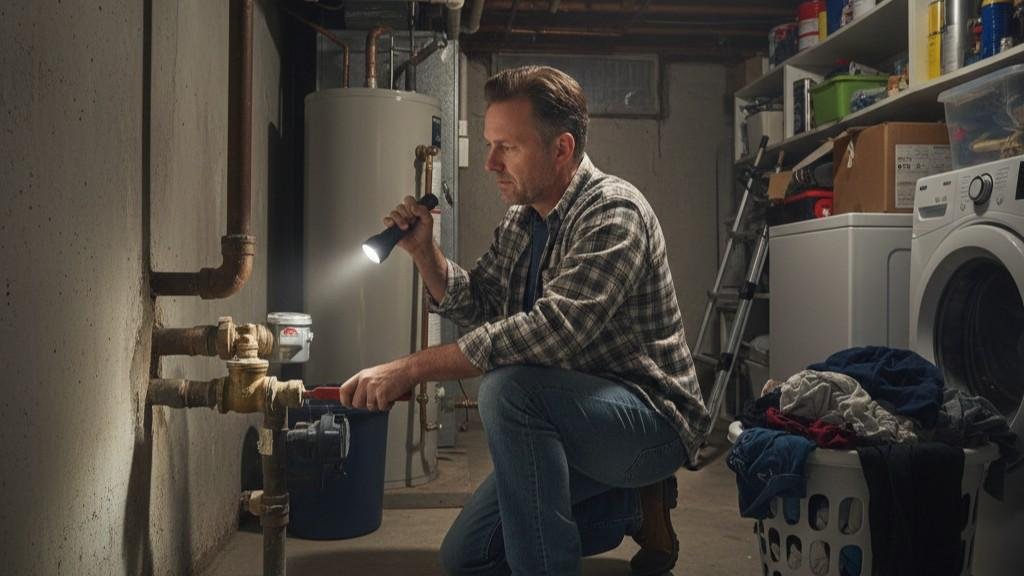
- Main Shut-Off Valve: Locate this valve inside your home (usually in a basement, crawlspace, or utility closet) and ensure the handle is turned fully counter-clockwise to the open position.
- Water Meter Valve: This valve is located outside, typically in an underground box near the street. It is managed by the water company, but you can check to see if it appears fully open. If you suspect an issue, it is best to contact your utility provider.
Hidden Water Leaks
A leak anywhere in your plumbing system can cause a significant drop in water pressure. Even small, hidden leaks can divert enough water to be noticeable at your faucets. Look for signs of water damage, such as damp spots on walls, ceilings, or floors, or unusually high water bills. For those with private systems, issues with components like well pumps in Utah and other regions can also lead to pressure loss if they are not functioning correctly.
Finding a Leak
To check for a leak, turn off all water-using appliances and fixtures in your home. Then, look at your water meter. If the dial is still moving, you likely have a leak that needs to be addressed by a professional.
Restoring your water pressure often involves a process of elimination. By systematically checking these common causes, from simple fixture cleanings to investigating your main valves, you can identify and solve the problem, bringing back the powerful flow you depend on.