

Website security basics form the foundation of building and maintaining a safe, trustworthy, and reliable online presence. As websites continue to handle sensitive data, user credentials, and financial transactions, security is no longer optional.
Every website, regardless of size or industry, faces constant threats from cyber attacks, data breaches, and malicious automation.
Understanding website security helps website owners, developers, and businesses protect digital assets while maintaining availability and performance. This guide explains the core principles, risks, and best practices needed to secure modern websites effectively.
Understanding Website Security Basics
The website security refer to the practices, technologies, and policies used to protect websites from unauthorized access, data theft, and malicious activity. Security focuses on safeguarding both user data and the website’s infrastructure.
At its core, website security basics rely on three fundamental principles: confidentiality, integrity, and availability. These principles ensure that data remains private, accurate, and accessible to authorized users.
Why Website Security Matter
Ignoring website security can lead to serious consequences. Cyber attacks can result in financial loss, legal penalties, damaged reputation, and loss of customer trust. Even small websites are frequently targeted because attackers often exploit weak security configurations.
A secure website builds credibility with users and search engines alike. Security also plays a role in compliance with regulations and industry standards, making it essential for long-term sustainability.
Core Pillars of Website Security Basics

Website security basics are built on key pillars that work together to reduce vulnerabilities and protect digital systems.
Confidentiality in Website Security
Confidentiality ensures that sensitive information is accessible only to authorized users. Encryption, access controls, and the authentication methods help maintain confidentiality across websites.
Protecting login credentials, personal data, and payment information is a critical part of website security basics.
Integrity in Website Security
Integrity ensures that website data and content remain accurate and unchanged unless modified by authorized users. Attackers often attempt to inject malicious code or alter databases, which compromises trust.
Input validation, monitoring, and secure coding practices help preserve data integrity.
Availability in Website Security
Availability ensures that a website remains accessible to users at all times. Denial-of-service attacks, server failures, and misconfigurations can disrupt availability.
Website security basics include redundancy, backups, and traffic filtering to maintain uptime.
Essential Technical Foundations of Website Security
Strong technical foundations are required to implement website security basics effectively.
HTTPS and SSL Certificates
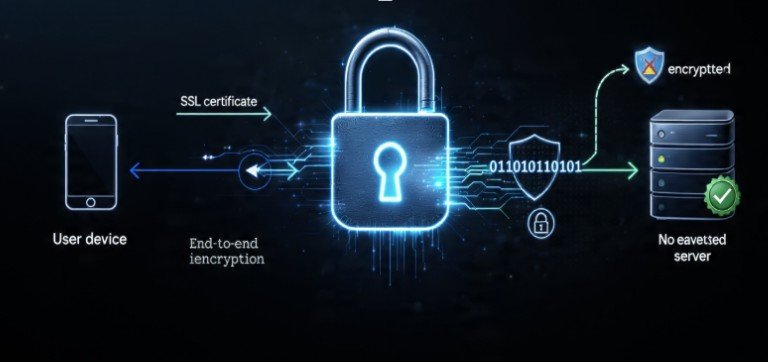
HTTPS encrypts data transmitted between users and servers. SSL certificates protect against data interception and man-in-the-middle attacks.
Using HTTPS is a fundamental requirement for modern website security and also improves user trust.
Web Application Firewalls
A web application firewall filters malicious traffic before it reaches the website. Firewalls protect against common attacks such as SQL injection and cross-site scripting. Firewalls act as a protective barrier that strengthens website security.
Automated Website Backups
Backups ensure that websites can be restored quickly after a breach or failure. Secure backups reduce downtime and data loss. Regular backups are a critical safety net within website security.
Access and Identity Management
Access control is a vital part of website security basics. Unauthorized access is one of the most common attack vectors. posture, Password management is a simple but effective website security basis.
Multi-Factor Authentication
Multi-factor authentication adds an additional verification step during login. Even if credentials are compromised, unauthorized access becomes difficult. MFA significantly strengthens website security basics.
Least Privilege Access
Users should only have access necessary for their role. Limiting permissions reduces potential damage if accounts are compromised. Access control directly supports secure website operations.
Strong Password Policies
Strong passwords reduce the risk of brute-force attacks. Blocking Brute Force Attacks becomes more effective when password complexity and regular updates improve security
Maintenance and Code Security
Website security basics require continuous maintenance and secure development practices.
Keeping Software Updated
Outdated software is one of the most exploited weaknesses. Regular updates close known vulnerabilities and improve stability. Timely updates are essential for maintaining website security basics.
Input Validation and Sanitization
User input should always be treated as untrusted. Sanitizing input prevents malicious scripts and database manipulation. Secure input handling protects both data and users.
Vulnerability Scanning
Automated scans help identify security weaknesses before attackers exploit them. Regular scanning is a proactive security measure. Monitoring vulnerabilities ensures long-term protection.
Common Threats Addressed by Website Security Basics
Understanding common threats helps prioritize security efforts.
Data Breaches
Data breaches expose confidential information and often result in legal and financial consequences. Proper encryption and access controls help prevent breaches.
Denial of Service Attacks
DoS attacks overload servers, causing downtime. Traffic management and content delivery networks help mitigate these attacks.
Malware and Ransomware
Malicious software can encrypt files or redirect visitors. Regular scans and backups reduce the impact of malware attacks.
Injection Attacks
SQL injection and cross-site scripting attacks exploit poor input validation. Secure coding practices prevent these vulnerabilities.
Monitoring and Incident Response
Website security include ongoing monitoring and preparation for incidents. Monitoring logs helps identify suspicious activity early. Incident response plans ensure quick recovery if an attack occurs. Preparedness minimizes damage and downtime.
Website Security and Search Engine Trust
Search engines favor secure websites. HTTPS, safe browsing indicators, and malware-free environments contribute to search visibility. Security is not only a technical requirement but also an SEO consideration.
Educating Teams on Website Security
Human error is a major security risk. Training staff on best practices reduces accidental vulnerabilities. Awareness programs strengthen overall security culture.
The Importance of Consistency in Website Security
The Importance of Consistency cannot be overstated in website security. Security is not a one-time setup but an ongoing process.
Consistent updates, monitoring, and reviews ensure long-term protection. Inconsistent practices often lead to overlooked vulnerabilities.
Future Trends in Website Security Basics
Website security basics continue to evolve with emerging threats and technologies. Automation, artificial intelligence, and predictive analytics are becoming integral to security systems.
As cyber threats grow more sophisticated, proactive and adaptive security strategies will define future best practices.
Frequently Asked Questions
1. What are website security basics?
Website security basics are the fundamental practices used to protect websites from cyber threats, unauthorized access, and data breaches.
2. Why are website security basics important?
They help prevent financial loss, protect user data, maintain uptime, and build trust with users and search engines.
3. Does every website need security measures?
Yes, all websites are targets for automated attacks, regardless of size or purpose.
4. How often should website security be reviewed?
Security should be reviewed continuously, with regular updates and monitoring.
5. Are website security basics enough for large websites?
Basic security is a starting point, but larger websites often require advanced protections and professional audits.
Future of Website Security
Website security are essential for protecting websites, users, and businesses in today’s digital environment. From encryption and access control to monitoring and maintenance, every layer contributes to a secure online presence.
By understanding and consistently applying website security basics, organizations can reduce risk, maintain trust, and ensure long-term operational stability in an increasingly connected world.