
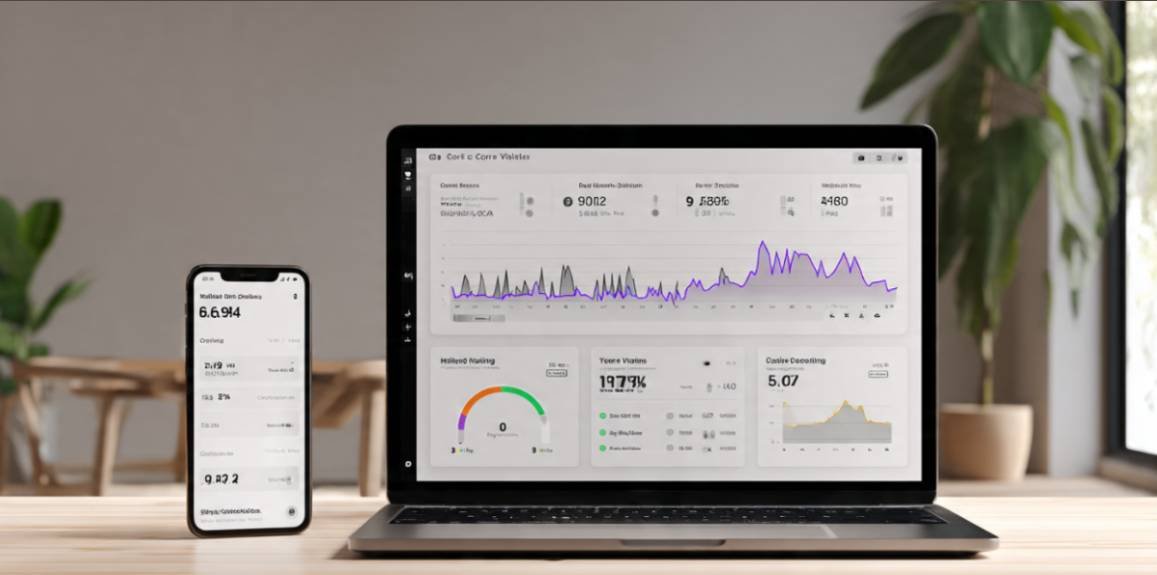
Website performance optimization is no longer optional in today’s competitive digital environment. Users expect websites to load instantly, respond smoothly, and remain visually stable across devices.
Search engines like Google also prioritize fast, efficient websites when determining rankings. As a result, website performance optimization directly impacts user experience, SEO visibility, conversion rates, and long-term business growth.
From optimizing images and reducing server response time to leveraging caching and content delivery networks, every improvement contributes to measurable gains in performance metrics and user satisfaction.
This guide explores website performance optimization in depth, covering proven strategies, key performance metrics, essential tools, and best practices that help websites rank higher and perform better in real-world conditions.
What Is Website Performance Optimization?
Website performance optimization is the process of improving how quickly and efficiently a website loads and responds to user interactions.
Website performance optimization is especially critical for mobile users, and Web Performance highlights how slower connections and limited processing power can magnify performance issues.
Key goals of website performance optimization include faster page load times, reduced bounce rates, improved engagement, better accessibility, and stronger search engine rankings.
Why Website Performance Optimization Matters
Website performance optimization plays a central role in both user experience and business outcomes. Studies consistently show that users abandon websites that take longer than seconds to load. Even minor delays can significantly reduce conversions and increase bounce rates.
From an SEO perspective, Google uses performance signals such as Core Web Vitals to evaluate page experience. Websites that meet performance benchmarks are more likely to rank higher in search results.
Core Website Performance Optimization Strategies

Image Optimization for Faster Load Times
Images are often the largest contributors to page weight, making image optimization a cornerstone of website performance optimization. Oversized or uncompressed images significantly slow down load times.
Using modern image formats such as WebP and AVIF reduces file size while maintaining visual quality. Compression tools help remove unnecessary data, and responsive images ensure appropriate sizing across devices.
Lazy loading images delays loading off-screen visuals until they are needed, improving initial page load speed and conserving bandwidth.
Caching Techniques to Improve Performance
Caching is one of the most effective website performance optimization techniques. It reduces the need to regenerate or re-download assets on repeat visits.
Browser caching stores static files like images, CSS, and JavaScript locally on the user’s device, enabling faster reloads. Server-side caching reduces database queries and speeds up dynamic content generation.
When implemented correctly, caching significantly lowers server load and improves overall responsiveness.
Using a Content Delivery Network (CDN)
A content delivery network is a distributed network of servers that deliver content from locations closest to the user. CDNs reduce latency by minimizing the physical distance data must travel.
Popular CDNs such as Cloudflare, Fastly, and Akamai are widely used for website optimization across both small businesses and large enterprises. CDNs also provide additional benefits like DDoS protection and improved availability.
Code Minification and Compression
Clean, efficient code is essential for website optimization. Minification removes unnecessary characters, whitespace, and comments from HTML, CSS, and JavaScript files, reducing file sizes.
Compression techniques such as Gzip and Brotli further reduce transfer sizes by compressing files before delivery. These methods can reduce payload sizes by up to 70 percent, significantly improving load times on slower connections.
Database Optimization for Dynamic Websites
For data-driven websites, database performance directly affects page speed. Inefficient queries, unused tables, and missing indexes can slow down response times.
Database optimization involves cleaning unused data, optimizing queries, indexing frequently accessed fields, and reducing redundant operations. Regular maintenance ensures consistent performance as content grows.
Reducing HTTP Requests
Each HTTP request adds overhead to page loading. Reducing the number of requests is a key website performance optimization strategy.
Combining CSS and JavaScript files, removing unnecessary third-party scripts, and limiting plugins help minimize requests. CSS sprites can merge multiple images into a single file, further reducing server calls.
Key Metrics for Website Performance Optimization

Largest Contentful Paint (LCP)
Largest Contentful Paint measures how long it takes for the main content of a page to load. An ideal LCP score is 2.5 seconds or less. Improving LCP involves optimizing images, fonts, and server response times.
Interaction to Next Paint (INP)
Interaction to Next Paint evaluates how quickly a website responds to user interactions such as clicks and taps. A low INP score indicates smooth and responsive user experiences.
Cumulative Layout Shift (CLS)
Cumulative Layout Shift measures visual stability by tracking unexpected layout movements. A CLS score of 0.1 or lower ensures a stable viewing experience and prevents accidental clicks.
Time to First Byte (TTFB)
Time to First Byte measures how quickly a server responds to a browser request. Optimizing hosting infrastructure, caching, and backend processing improves TTFB and overall website optimization.
Tools for Website Performance Optimization
Google PageSpeed Insights
Google PageSpeed Insights provides detailed performance audits for both mobile and desktop. It highlights Core Web Vitals issues and offers actionable recommendations.
Lighthouse
Lighthouse is an open-source auditing tool built into Chrome DevTools. It evaluates performance, accessibility, SEO, and best practices, making it essential for website optimization.
GTmetrix
GTmetrix offers in-depth performance reports with waterfall charts, helping identify bottlenecks such as slow scripts and large assets.
WebPageTest
The webpage test allows advanced testing across different locations, browsers, and connection speeds. It is particularly useful for analyzing real-world performance scenarios.
Monitoring and Observability Platforms
Tools like Datadog provide real user monitoring, synthetic testing, and end-to-end visibility across frontend and backend systems. These platforms help detect performance issues before they impact users and support continuous website optimization.
Best Practices for Long-Term Website Performance Optimization

Website optimization is an ongoing process rather than a one-time task. Regular audits, performance monitoring, and incremental improvements ensure sustained results.
Adopting a mobile-first approach helps prioritize performance on constrained devices. Removing unused code, scripts, and dependencies keeps websites lean and efficient.
Testing performance changes in staging environments before deployment reduces risks and ensures stability. Continuous monitoring allows teams to identify regressions early and respond quickly.
Website Performance Optimization and SEO
Website optimization and SEO are deeply interconnected. Faster websites are easier for search engines to crawl, index, and rank. Improved performance also leads to better engagement metrics, which indirectly support SEO success.
Optimized websites tend to have lower bounce rates, higher dwell time, and improved conversion rates. These signals reinforce a website’s relevance and quality in search engine algorithms.
Common Website Performance Optimization Mistakes
Many websites fail to achieve optimal performance due to avoidable mistakes. Overloading pages with third-party scripts, neglecting image optimization, and ignoring mobile performance are common issues.
Relying solely on tools without understanding underlying problems can also limit results. Effective website optimization requires both technical execution and strategic decision-making.
Frequently Asked Questions
1. What are some best practices for implementing image lazy loading?
Image lazy loading works best when combined with responsive images and proper placeholders. Using native lazy loading attributes, defining image dimensions, and avoiding lazy loading for above-the-fold images ensures both performance and visual stability.
2. What tools help optimize server response time?
Server response time can be optimized using tools such as Google PageSpeed Insights, WebPageTest, and application performance monitoring platforms. These tools help identify backend bottlenecks, slow queries, and infrastructure issues.
3. What are some popular CDNs for enterprise and small businesses?
Popular CDNs include Cloudflare for small to medium businesses, Fastly for performance-focused applications, and Akamai for large enterprises requiring global reach and advanced security.
Building Faster Websites with Website Performance Optimization
Website performance optimization is a critical foundation for modern web success. It enhances user experience, strengthens SEO performance, and supports long-term scalability.
By implementing proven optimization strategies, monitoring key performance metrics, and continuously refining technical systems, websites can meet user expectations and search engine standards alike.
A commitment to website optimization ensures faster load times, smoother interactions, and measurable business growth in an increasingly performance-driven digital landscape.