
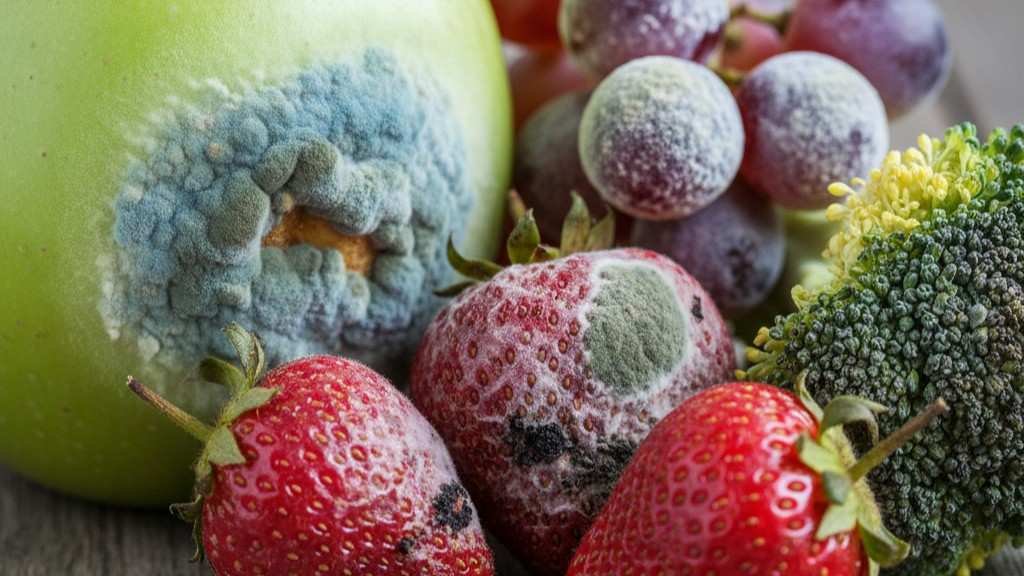
Food spoilage is a frustrating and wasteful problem that affects every household. It not only leads to financial loss but also poses health risks. Understanding the underlying causes of why food goes bad is the first step toward preventing it. From microscopic organisms to environmental factors, several culprits work to break down your groceries before you have a chance to enjoy them.
By recognizing these common causes, you can adopt better storage habits, reduce waste, and ensure the food you eat is safe and fresh. This guide explores the seven primary reasons for food spoilage that you should not overlook.
1. Microbial Growth
Microorganisms are the most common cause of food spoilage. Bacteria, yeasts, and molds are present all around us, and they thrive on the nutrients found in our food. When conditions are right, these tiny organisms multiply rapidly, breaking down food components and producing waste products that cause unpleasant odors, textures, and flavors.
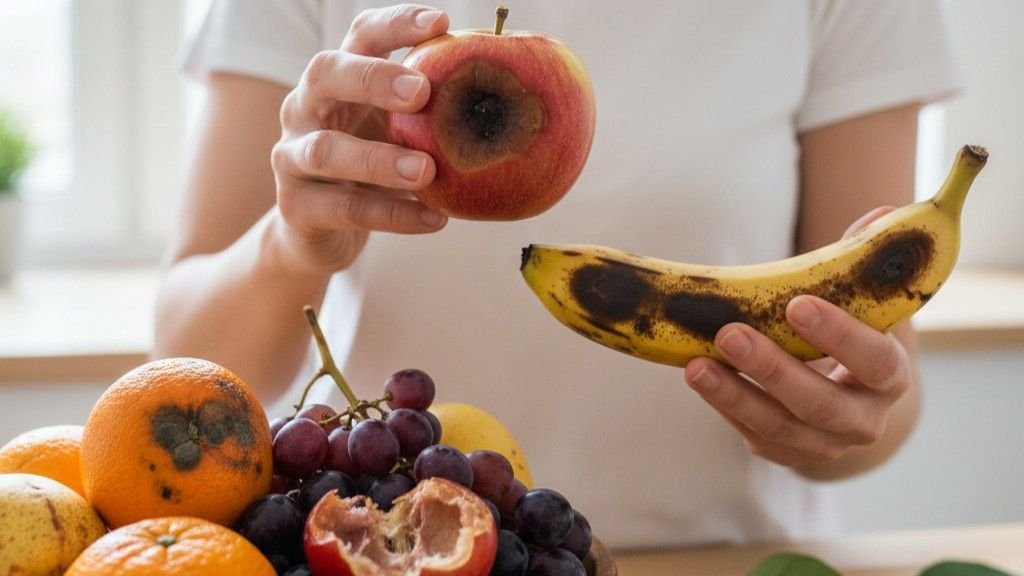
Bacteria
Bacteria are single-celled organisms that can double their numbers in as little as 20 minutes. They are responsible for the souring of milk, the sliminess on old meats, and various other forms of decay. Some bacteria are harmless, but others can cause foodborne illnesses.
Yeasts and Molds
Yeasts are often seen as fuzzy or discolored spots on fruits, bread, and jams. While some are used in food production (like in bread and beer), wild yeasts can cause food to ferment and spoil. Molds are fungi that grow in filaments, creating a fuzzy appearance on surfaces like cheese, bread, and vegetables.
2. Enzyme Action
Enzymes are naturally occurring proteins in all living things, including the plants and animals we eat. Their job is to facilitate biochemical reactions. After harvesting or slaughter, these enzymes continue to work, causing foods to ripen, soften, and eventually decay. For example, enzymes are what cause a banana to turn brown and mushy or an apple to soften over time. While this ripening process can enhance flavor initially, it ultimately leads to spoilage if left unchecked.
3. Oxidation
Oxidation is a chemical reaction that occurs when food is exposed to oxygen. This process can degrade vitamins, fats, and color pigments, leading to off-flavors and discoloration. You can see this effect when a sliced apple turns brown or when oils and fatty foods become rancid. Fats are particularly susceptible to oxidation, which results in a distinct stale or paint-like smell.
4. Temperature Issues
Temperature plays a critical role in the rate of food spoilage. Most microorganisms grow best within a specific temperature range, often called the “danger zone” (40°F to 140°F or 4°C to 60°C).
Improper Cooling
Leaving perishable foods like meat, dairy, and cooked leftovers at room temperature allows bacteria to multiply quickly. It is essential to refrigerate these items promptly to slow down microbial growth.
Incorrect Storage Temperatures
Your refrigerator and freezer must be set to the correct temperatures to be effective. A malfunctioning appliance can lead to accelerated spoilage. If you notice your food is spoiling faster than usual, it may be time to consider a professional service for refrigerator repair in Ogden or your local area to ensure your unit is functioning correctly. Consistent and proper cold storage is a primary defense against spoilage.
5. Moisture Content

Water is essential for the growth of most microorganisms. Foods with high moisture content, such as fresh fruits, vegetables, and meats, are highly perishable. Conversely, dry foods like grains, crackers, and dehydrated products have a long shelf life because their lack of moisture inhibits microbial activity. Controlling humidity during storage is also important. Too much moisture can encourage mold growth, while too little can cause certain foods to dry out.
6. Physical Damage
Bruises, cuts, and other forms of physical damage to fruits and vegetables break their protective outer layer. This damage creates an easy entry point for bacteria and molds to invade and begin the spoilage process. It also releases enzymes that accelerate decay in the damaged area. This is why a single bruised apple in a bag can quickly cause others around it to spoil.
7. Light Exposure
Light can be detrimental to certain foods. It can destroy light-sensitive vitamins, such as riboflavin and vitamin A, and can cause discoloration in products like cured meats. Furthermore, light can promote the oxidation of fats, leading to rancidity. This is why many light-sensitive products, such as milk and cooking oils, are often sold in opaque or dark-colored packaging.
A Proactive Approach to Freshness
Preventing food spoilage requires a multi-faceted approach. By controlling for these seven factors through proper handling, storage, and temperature management, you can extend the life of your groceries significantly.
Pay attention to how you store your food, monitor your appliance temperatures, and handle produce gently. These simple habits will help you keep food fresh longer, save money, and maintain a healthier kitchen.