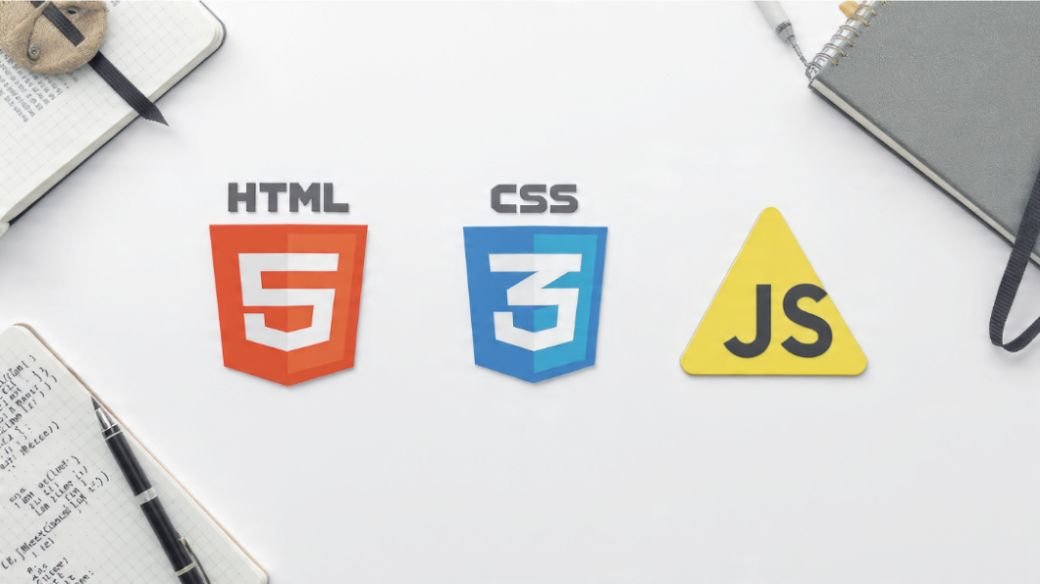
Learning web development starts with understanding three core technologies that power almost every website on the internet: HTML, CSS, and JavaScript.
If you are searching for the best and fastest way to learn HTML CSS and JavaScript, the key is not just what you learn, but how you learn it. With the right structure, tools, and practice strategy, beginners can build a strong foundation in a surprisingly short time.
This guide explains the best and fastest way to learn HTML CSS and JavaScript using a practical, skill-focused approach that aligns with how modern developers actually work.
Whether your goal is career growth, freelancing, or personal projects, this roadmap is designed to help you learn efficiently and apply your skills immediately.
Understanding HTML CSS and JavaScript Basics
Before diving into speed-learning strategies, it is important to understand the role of each technology in web development.
What Is HTML in Web Development
HTML, Hyper Text Markup Language is responsible for the structure of a web page. It defines headings, paragraphs, images, links, forms, and semantic layout elements.
HTML is the foundation of every website and plays a major role in accessibility and search engine optimization.
What Is CSS and Why It Matters
CSS (Cascading Style Sheets) controls the appearance of HTML content. It handles colors, fonts, spacing, layout, and responsiveness. Learning CSS properly allows you to design websites that look professional across desktops, tablets, and mobile devices.
What Is JavaScript Used For
JavaScript adds behavior and interactivity to websites. It enables features such as form validation, animations, dynamic content updates, and user interaction without reloading the page. JavaScript transforms static pages into dynamic web applications.
Why Learning HTML CSS and JavaScript Together Is Faster
One of the biggest mistakes beginners make is learning HTML, CSS, and JavaScript in isolation. The best and fastest way to learn HTML CSS and JavaScript is to study them together in small, practical combinations.
HTML creates structure, CSS styles that structure, and JavaScript interacts with it. Learning them side by side helps you immediately understand how changes in one affect the others. This approach improves retention and builds real-world development skills.
Best and Fastest Way to Learn HTML CSS and JavaScript Step by Step
Step 1 Learn HTML with Semantic Structure
Start by mastering core HTML concepts such as semantic tags, headings hierarchy, forms, inputs, labels, buttons, and accessibility attributes. Focus on writing clean, readable HTML that reflects the meaning of the content. This is essential for SEO and usability.
Step 2 Learn CSS Fundamentals and Layout Systems
After basic HTML, move directly into CSS fundamentals including the box model, selectors, specificity, typography, color systems, Flexbox, CSS Grid layout module, and responsive design using media queries. The fastest learners focus on layout and responsiveness early.
Step 3 Learn JavaScript Through DOM Manipulation
Instead of memorizing syntax, learn JavaScript by interacting with HTML and CSS. Focus on variables, functions, loops, events, DOM selection, DOM modification, basic form validation, and simple UI interactions.
This hands-on method is the best and fastest way to learn HTML CSS and JavaScript because it mirrors real development work.
Best Tools to Learn HTML CSS and JavaScript Quickly
Code Editors for Fast Learning
Using the right editor saves time and reduces frustration. Modern editors provide syntax highlighting, extensions, and live preview features that accelerate learning and debugging.
Online Coding Platforms for Practice
Online editors remove setup barriers and allow instant experimentation with HTML CSS and JavaScript. They are widely used for practice, testing, and sharing code examples across developer communities.
Project Based Learning Is the Fastest Method
The fastest learners build projects early and often. Projects convert theory into skill and improve confidence.
Beginner Projects Using HTML CSS and JavaScript
Beginner-friendly projects include a personal portfolio website, responsive landing page, interactive form with validation, and a simple to-do list application. Each project should include structure, styling, and interactivity.
Common Mistakes That Slow Down Learning
Common mistakes include watching tutorials without practice, memorizing syntax instead of building projects, skipping CSS layout fundamentals, and avoiding JavaScript errors instead of debugging them.
The best and fastest way to learn HTML CSS and JavaScript is to make mistakes, fix them, and repeat the process.
How Long Does It Take to Learn HTML CSS and JavaScript
With consistent practice, basic proficiency can be achieved in six to eight weeks. Strong foundational skills usually take three to four months. Job-ready front-end skills require continued project work and real-world practice.
SEO and Accessibility While Learning Web Development
Learning SEO and accessibility early provides a strong advantage. Use semantic HTML, optimize page structure, ensure keyboard navigation, add alt attributes, and maintain proper color contrast.
These practices are commonly discussed in professional and government web standards.
Best Free Resources to Learn HTML CSS and JavaScript
High-quality learning resources include official web documentation, interactive beginner tutorials, and project-based learning platforms that emphasize practical coding over theory.
How to Stay Consistent While Learning Web Development
The Importance of Consistency lies in the fact that it accelerates learning more effectively than short bursts of intensity.
Practicing daily in focused sessions, rebuilding projects multiple times, reviewing other developers’ code, and documenting what you learn helps reinforce concepts and build long-term skills.
Future Scope After Learning HTML CSS and JavaScript
After mastering the basics, learners can move toward front-end frameworks, full-stack development, freelancing, performance optimization, and SEO-focused development. HTML CSS and JavaScript remain foundational regardless of specialization.
Frequently Asked Questions
1. What is the best and fastest way to learn HTML CSS and JavaScript as a beginner
The best and fastest way is project-based learning combined with daily hands-on practice. Learning all three together improves understanding and retention.
2. Can I learn HTML CSS and JavaScript without a computer science background
Yes, these technologies are beginner-friendly and widely learned by self-taught developers from non-technical backgrounds.
3. Is HTML CSS and JavaScript enough for a web development job
For entry-level front-end roles, strong fundamentals in HTML CSS and JavaScript are essential and often sufficient.
4. Should I learn frameworks before mastering the basics
No, mastering HTML CSS and JavaScript first ensures long-term success with any framework.
5. How much daily time is required to learn web development fast
One to two focused hours per day with practical coding is enough to make consistent progress.
Final Thoughts on Learning HTML CSS and JavaScript
The best and fastest way to learn HTML CSS and JavaScript is to combine structured learning with real projects, modern tools, and consistent practice. Instead of treating these technologies separately, learn how they work together to build complete web experiences.
By focusing on fundamentals, avoiding common mistakes, and applying skills through projects, beginners can progress faster and with more confidence.